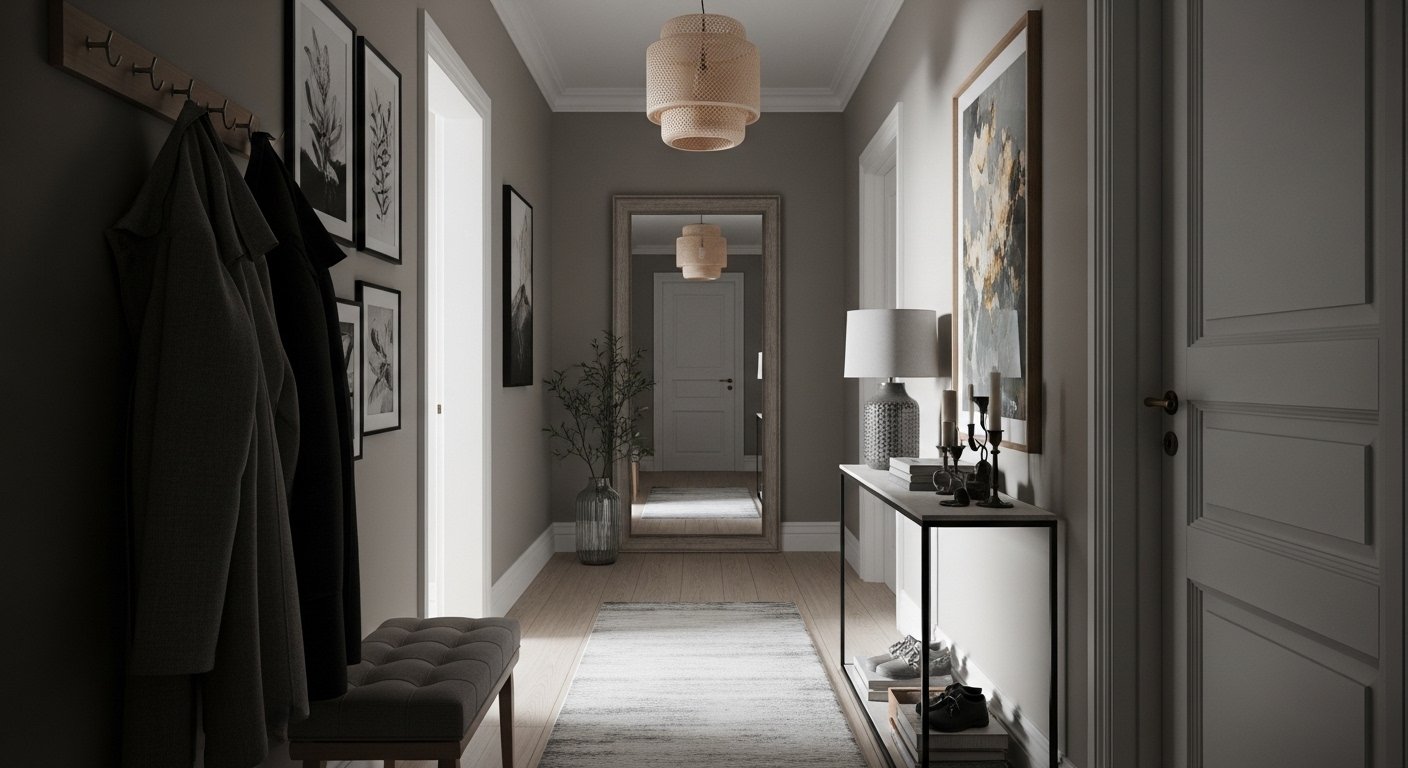
I used to hate our entry hallway. It squeezed in my bag and coat.
It felt narrow and dark. We never lingered there.
I swapped heavy art for slim pieces and chose a light runner. I leaned on mirrors and trim to borrow light.
Now the hallway feels wider, brighter, and intentional every day.
How To Decorate A Narrow Hallway To Make It Look Wider And Brighter
You’ll learn how to make a tight hallway read as light and airy without a major renovation. I’ll show you how to place mirrors, choose scale, and layer light so the space reads wider and calmer. It’s practical and repeatable in most homes.
What You’ll Need
- Narrow console table, 24-inch solid wood, light oak
- Large round mirror, 30-inch frameless
- Slim runner rug, 2.5'x8', low-pile light stripe
- Plug-in wall sconce pair, matte black, adjustable arm
- Set of 2 seagrass storage baskets, low profile
- Narrow picture ledge, 4-inch deep, white wood, 48-inch
- Ceramic table lamp, slim 16-inch, matte white shade
- Neutral cotton rug pad, 2.5'x8', non-slip
Step 1: Edit the clutter and set the scale
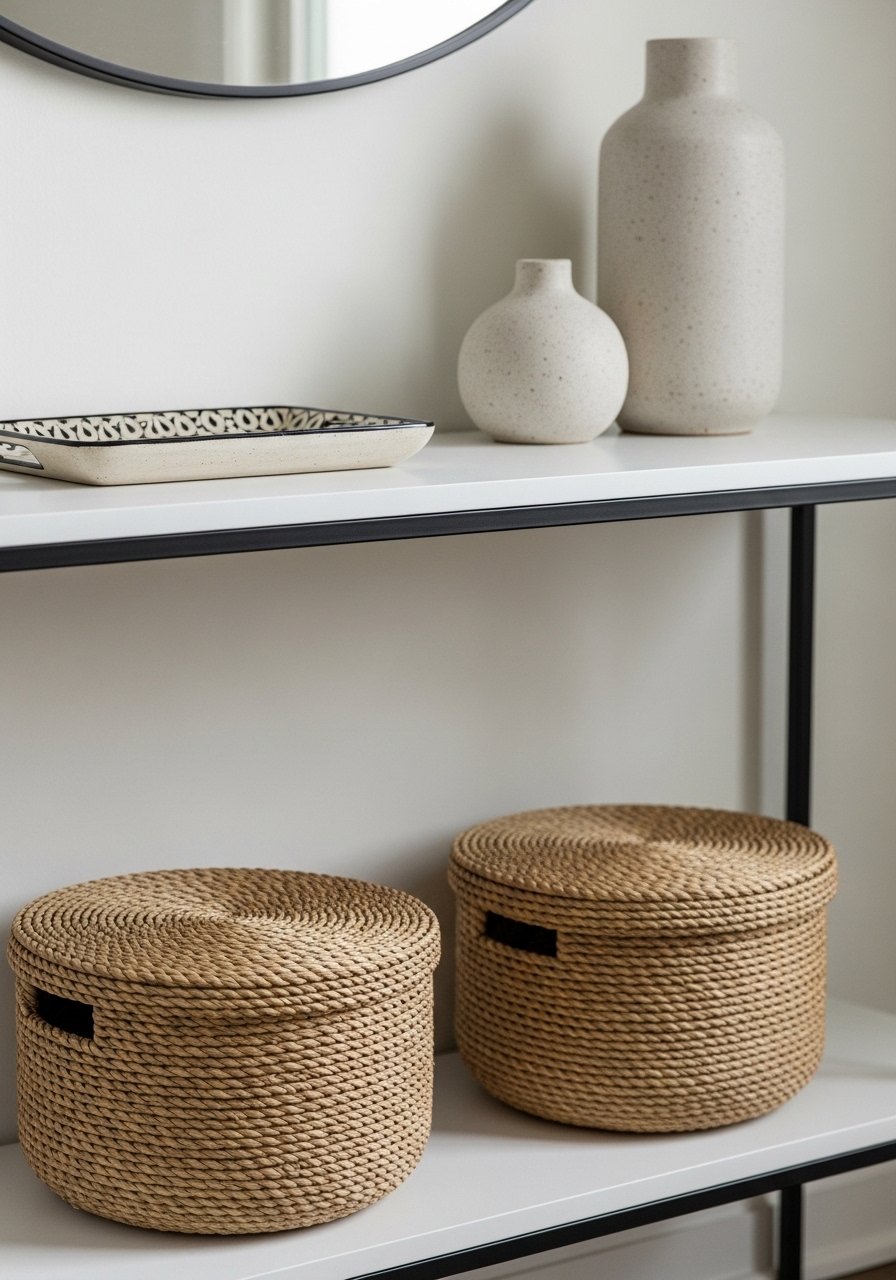
I start by removing everything that makes the hallway feel heavy. I keep one slim console or just a narrow ledge, a tray for keys, and two low baskets under the console. Visually, clearing the floor and limiting furniture lets the sightline run.
People often miss that small, tall piles read as clutter from a distance. Avoid a wide or deep table that blocks the visual pathway — anything wider than 24 inches will make the space feel tighter.
Step 2: Choose a lighter color flow
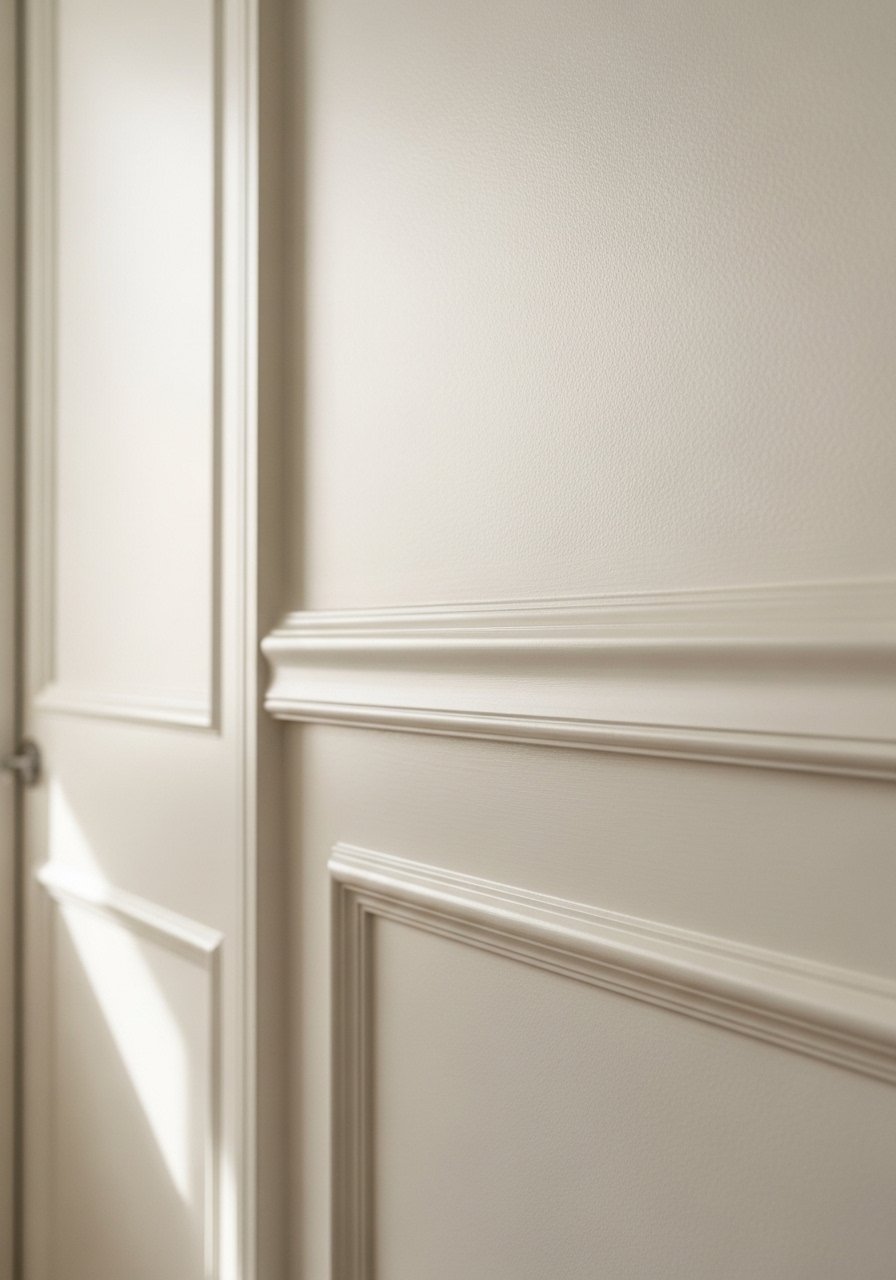
I use a pale, warm paint or borrow the tone from an adjacent room to create continuity. Lighter walls bounce daylight and reduce the corridor feel. I keep trim a close tone or a bright white to make the edges read crisp rather than heavy.
Most people overcomplicate with contrasting dark trims. The insight: a subtle, continuous palette lets light move along the length. Mistake to avoid: painting one end dramatically darker — it will act like a visual stop and make the hallway feel shorter.
Step 3: Add mirrors and reflective pieces to borrow depth
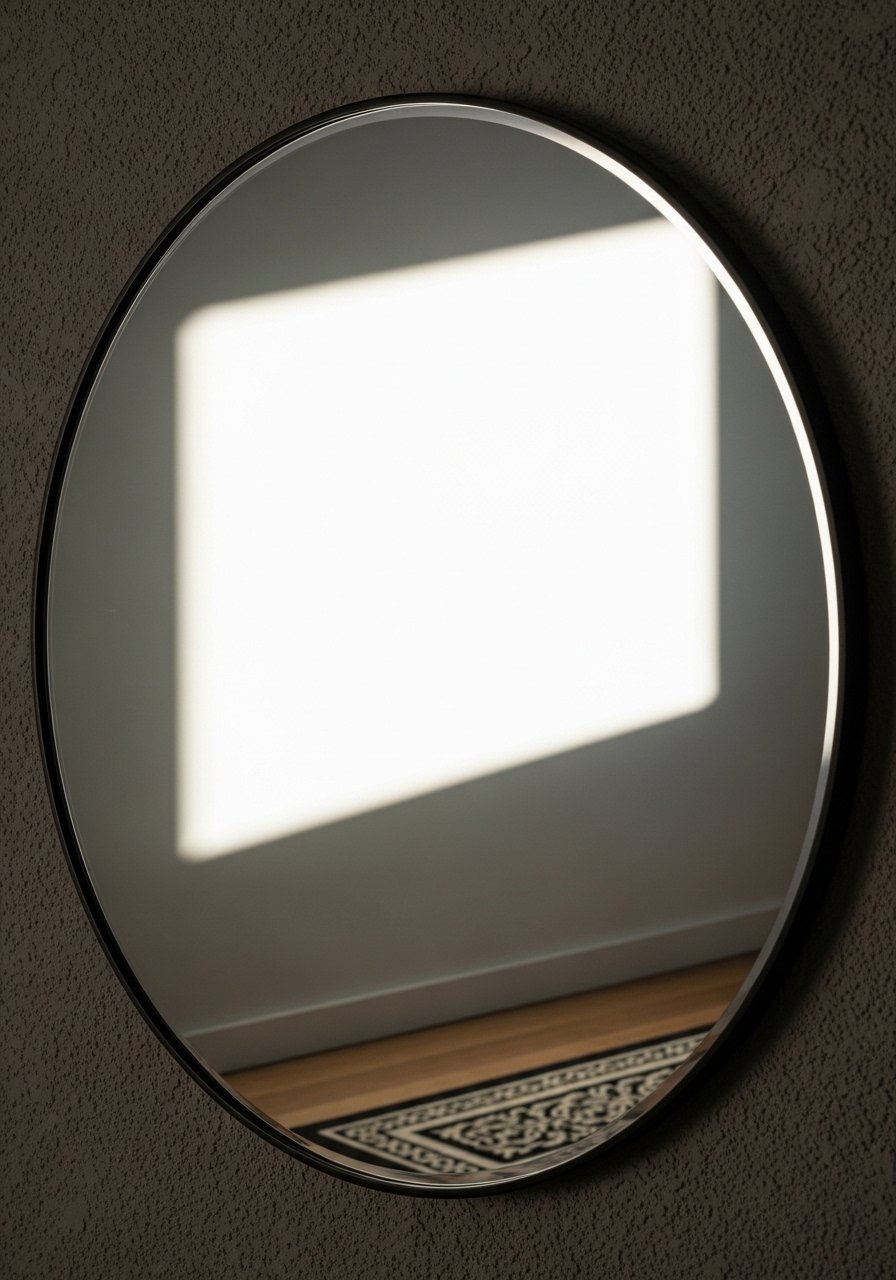
I hang a single large round mirror or a slim, tall one across from a light source. Mirrors double the apparent depth and read as open space if placed thoughtfully. I balance the mirror with a small console below or a ledge to avoid a floating glare.
People often scatter many small mirrors; that fragments the reflection. One well-placed mirror is better. Don't hang the mirror too high — it should reflect something bright, not floor or ceiling, to feel effective.
Step 4: Layer light — overhead, wall, and table
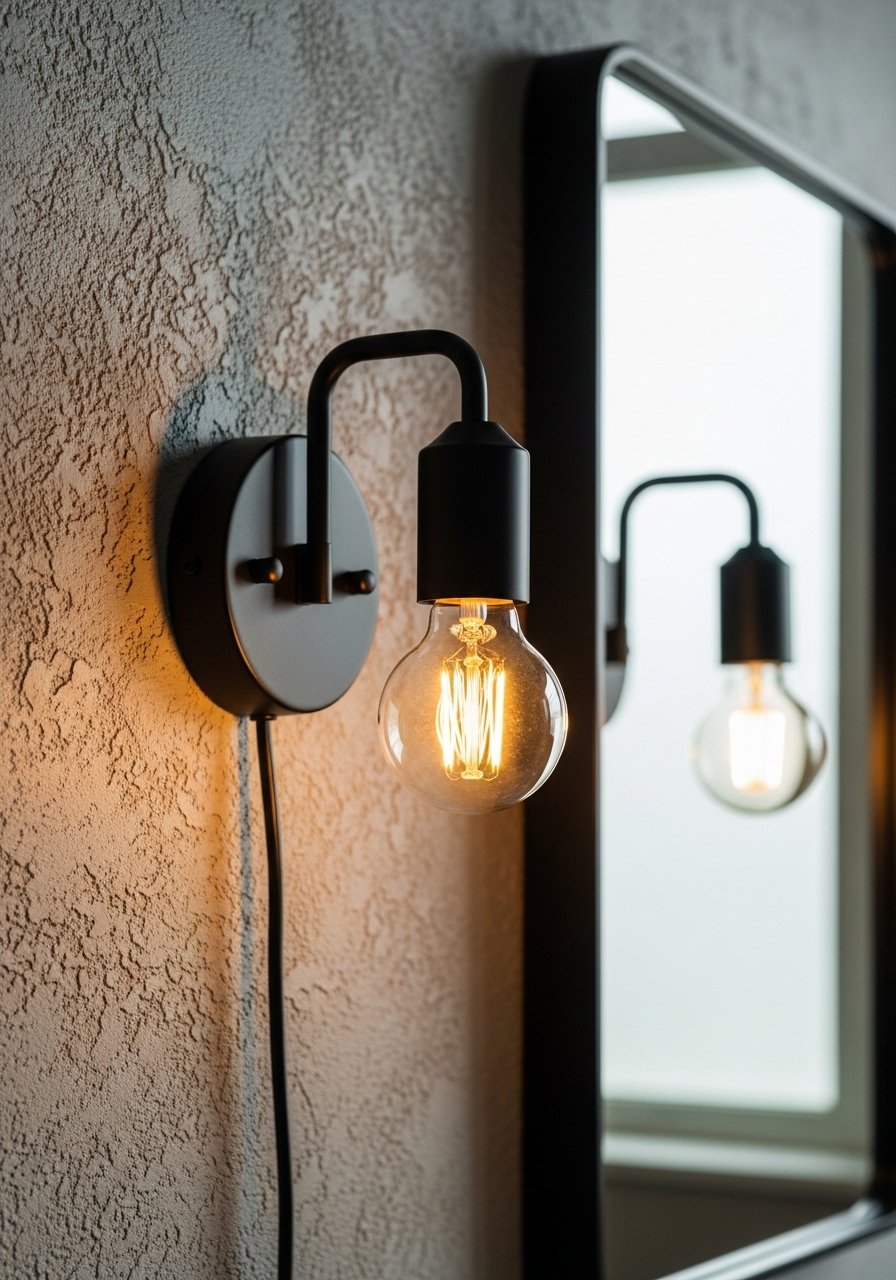
I layer light so the hallway reads intentional at any hour. I prefer a pair of plug-in wall sconces flanking the mirror and a small ceramic lamp on a console for extra glow. Warm bulbs keep the space feeling comfortable.
An insight I learned: even soft shadow is okay — it adds depth. The mistake to avoid is relying on one overhead fixture alone. That creates flat light and emphasizes narrowness.
Step 5: Ground the walkway with a slim runner and proper pad
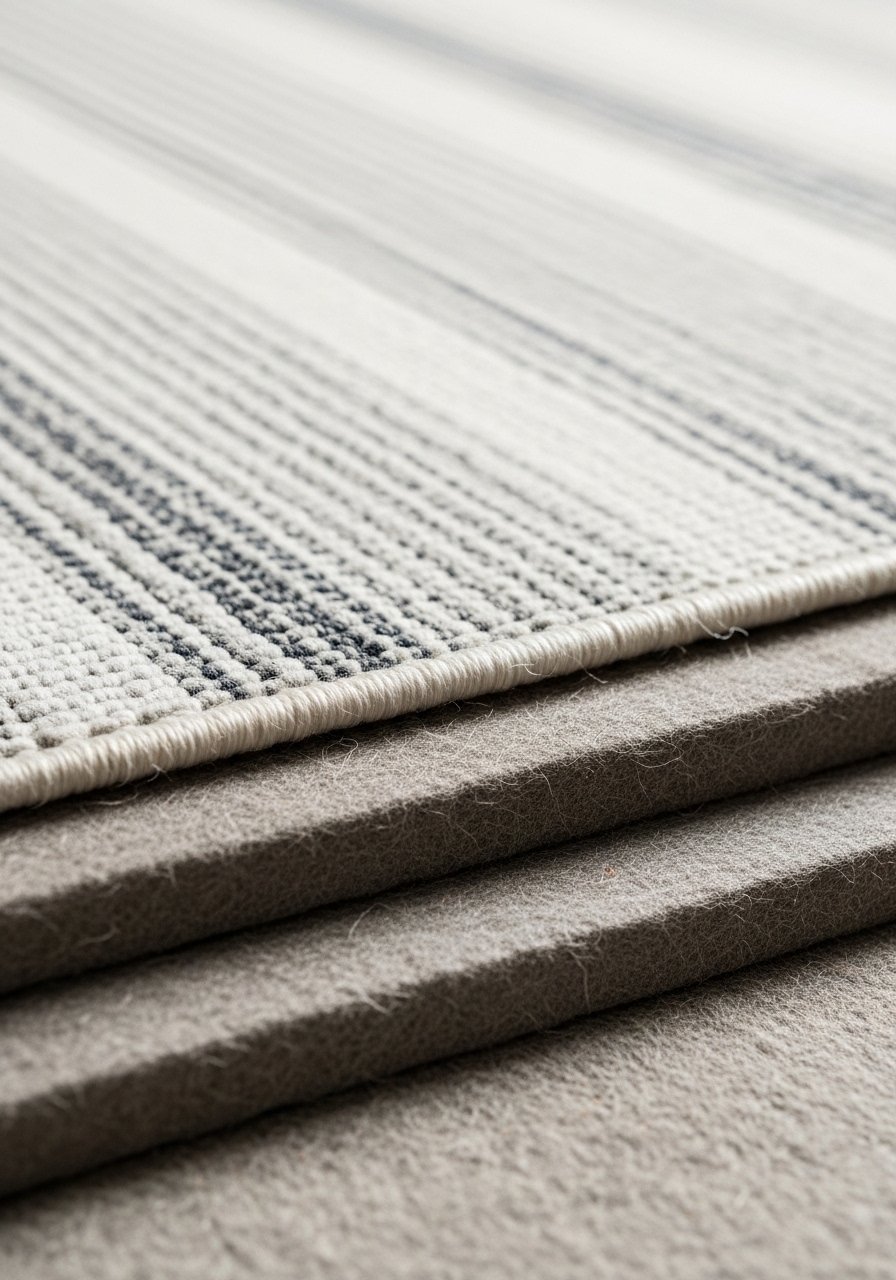
I pick a low-pile runner in a light, narrow pattern aligned with the hallway’s length. I always use a thin rug pad to prevent movement and to add just enough footprint so the runner sits flat. A subtle linear pattern pulls the eye forward and makes the space feel longer.
Most people grab a heavy, wide rug. That shortens the visual path. Avoid chunky, high-pile options that make the corridor feel boxed in.
Step 6: Style vertically and keep editing often
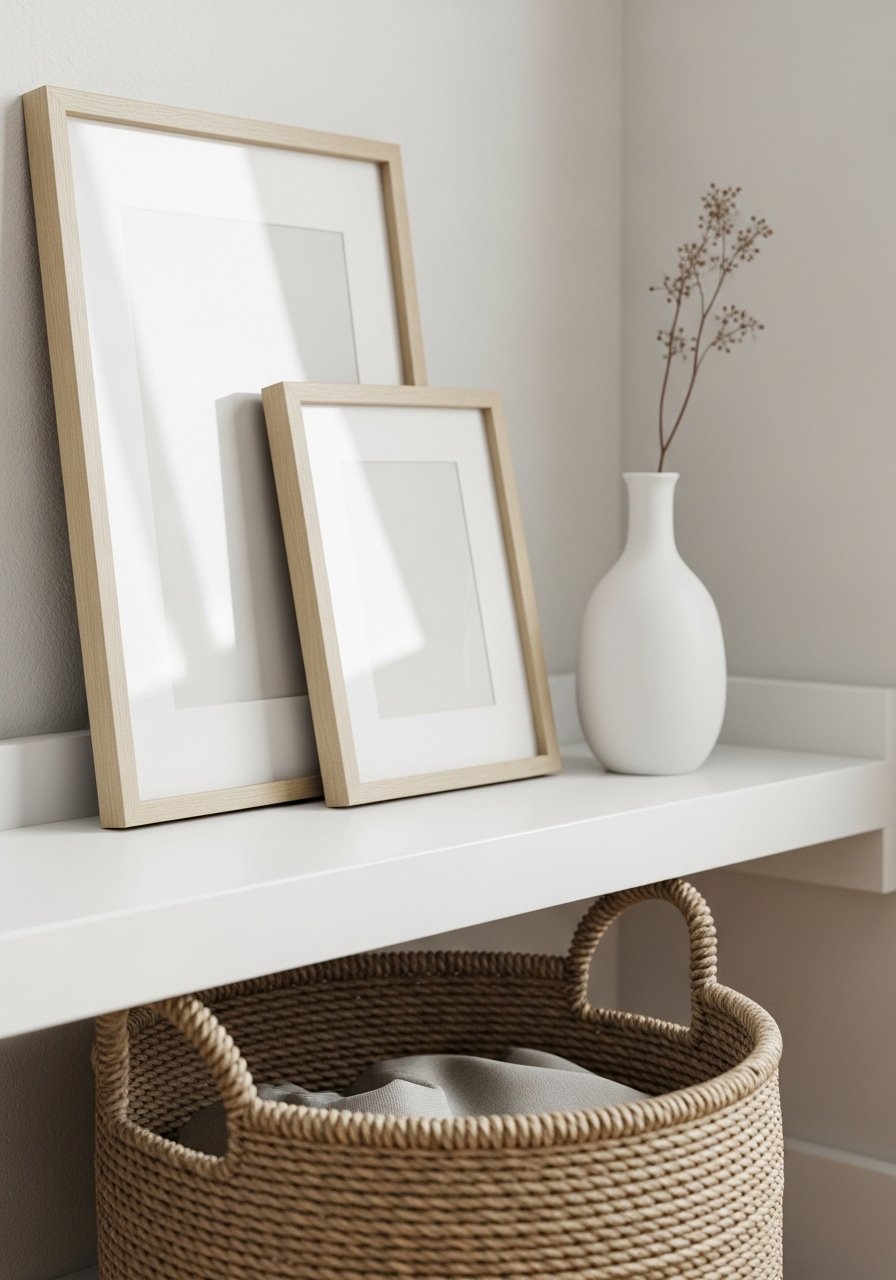
I use a narrow picture ledge to display a small rotation of frames leaning rather than hung. I keep artwork vertical and slim to draw the eye up and maintain airiness. Baskets beneath the console hold shoes and umbrellas tucked out of sight.
People forget to edit: less is more in a hallway. Don’t overcrowd the ledge with many frames — a thoughtful few keep the flow calm.
Lighting tips for narrow spaces
Good lighting balances direction and softness. Place fixtures to avoid casting long, harsh shadows across the length. A mix of wall sconces and a small table lamp offers that layered glow I look for.
If wiring is limited, plug-in sconces work well. Stick to warm bulbs (2700–3000K) and dimmable options when possible to soften evenings.
Choosing patterns and scale
Choose patterns that run lengthwise or are small in scale. Thin stripes or subtle linear motifs pull the eye forward. Keep contrasts low so patterns read light, not heavy.
Scale matters: art, mirrors, and furniture should be narrow and tall rather than wide. Think vertical rhythm over horizontal weight.
Quick editing checklist
- Remove bulky furniture and replace with slim console or ledge.
- Keep color flow with adjacent rooms.
- Place one mirror to borrow light.
- Use a runner, pad, and low piles only.
- Add two sconces or a lamp for layered light.
Final Thoughts
Start with one change — a mirror or a new runner. Small edits let you test the feel before committing.
You don’t need perfect styling. Keep editing and live with the choices for a week to see what feels right. The hallway should invite you through, not through with you.
Leave a Reply